DESIGN FEATURE
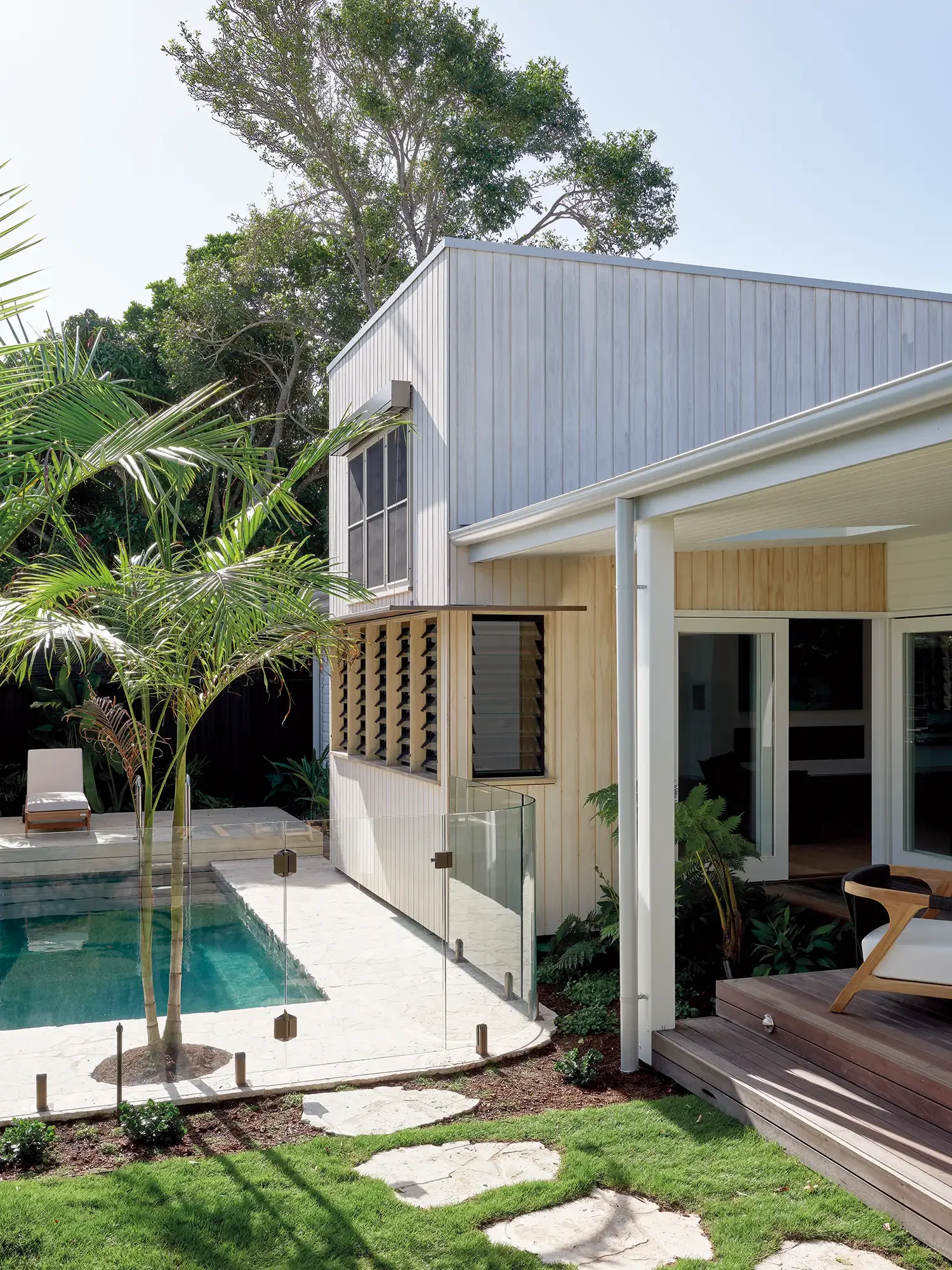
The Dylan Lane Project in Byron Bay features natural timbers throughout
Big River Group Account Manager Sam Stevens explores the benefits of using timber in coastal homes.
Designing a coastal home in Australia is about more than capturing the view. Many coastal properties sit within bushland interfaces, meaning homes must withstand salt-laden air, high UV exposure, strong winds and often meet Bushfire Attack Level (BAL) requirements. Material selection plays a critical role.
Coastal environments present a unique combination of challenges. You need materials that can perform technically, but also feel authentic to the landscape.
From a design perspective, timber brings a natural warmth that works effortlessly in coastal settings. Lighter tones and pale finishes reflect sunlight and pair beautifully with soft whites, sandy neutrals and ocean blues. They help create interiors that feel open and relaxed, while externally they sit comfortably against dune vegetation and coastal bushland.
One of timber’s real strengths in coastal homes is how naturally it connects the house to the surrounding landscape. We’re seeing many designers lean towards lighter tones and refined timber profiles with a subtle grain for a more contemporary coastal look. At the same time, more textured finishes or an expressed grain can work beautifully for relaxed beach house styles where that natural, laid-back character is part of the design.
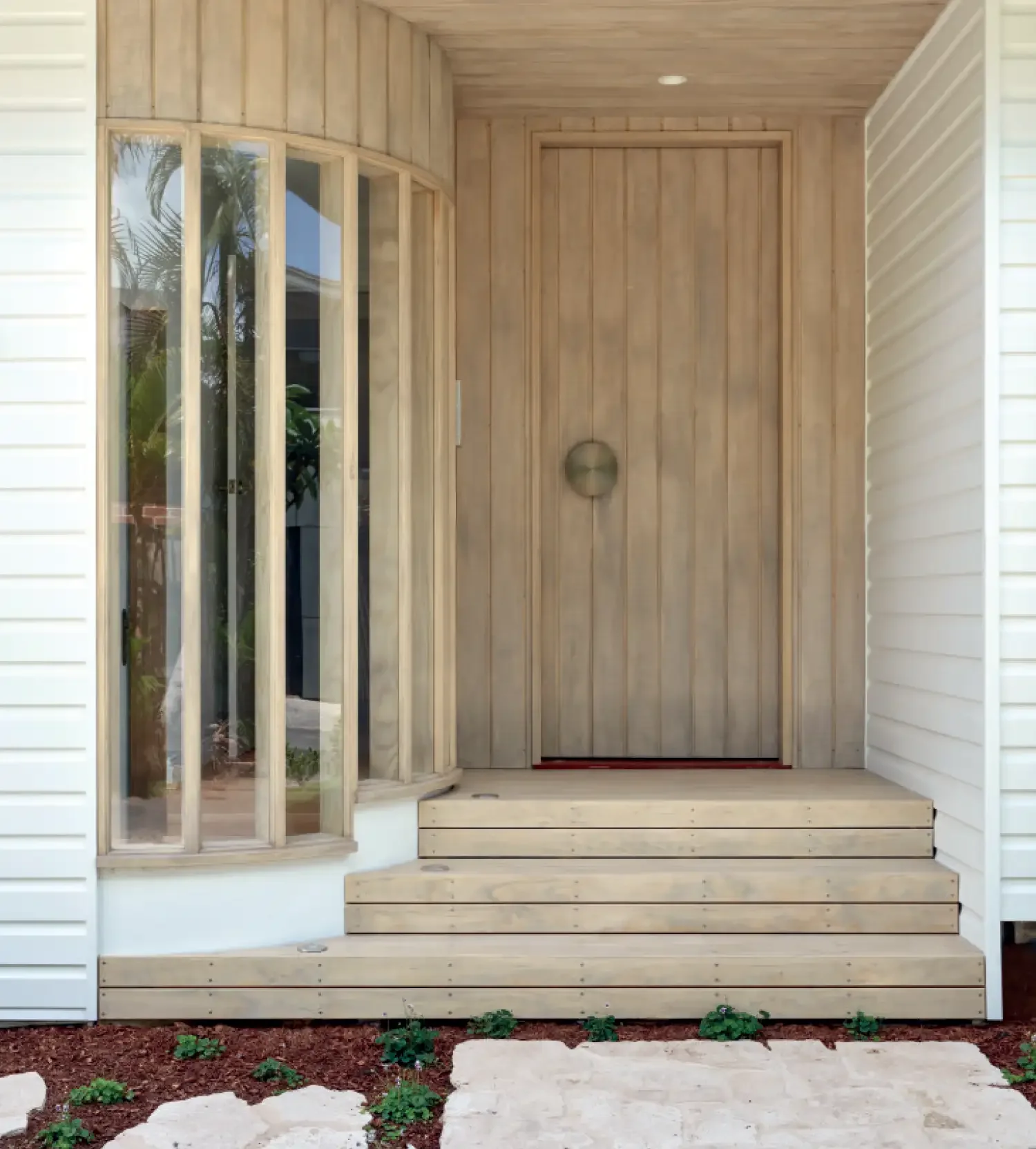
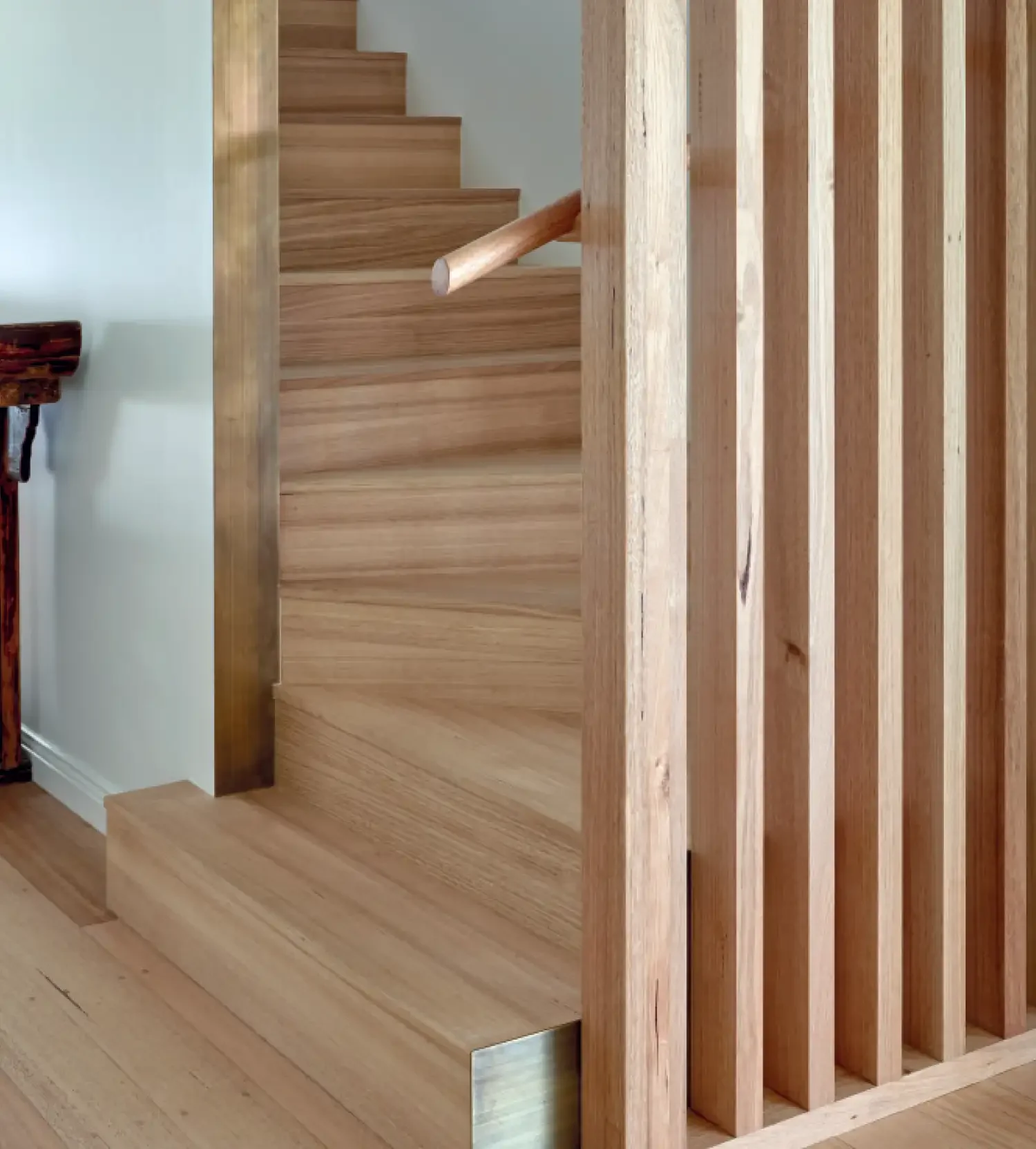
Key considerations when specifying timber for coastal homes:
1. Choose the right finish
Coastal UV exposure can be intense, so protective coatings or finishes designed for marine environments are essential to maintain colour consistency and longevity.
2. Consider how it will weather
Some homeowners embrace natural silvering over time, while others prefer to maintain the original tone. Early decisions around sealing and maintenance will influence the long-term look.
3. Balance light and texture
Timber can soften harder materials such as concrete, stone or metal, creating a more inviting and layered design outcome.
4. Plan for compliance
In many coastal bush locations, BAL ratings must be factored into material selection. Certain timber systems can be specified to meet these requirements without compromising design intent.
Great coastal design isn’t just about how a home looks - it’s about how it performs over time. When timber is properly engineered, treated and detailed, it becomes both a design feature and a high-performing building material. Engineered hardwood substrates and veneer solutions allow us to deliver the warmth and character designers want, with the stability and reliability coastal environments demand.
Big River Group
Big River Group manufactures a range of construction products including timber and steel formwork, timber flooring, plywood and decorative panels, as well as distributing a broad range of other building products from well-known local and international suppliers.
Visit bigrivergroup.com.au.